
The Promise Versus the Harsh Reality of Vehicle Recovery
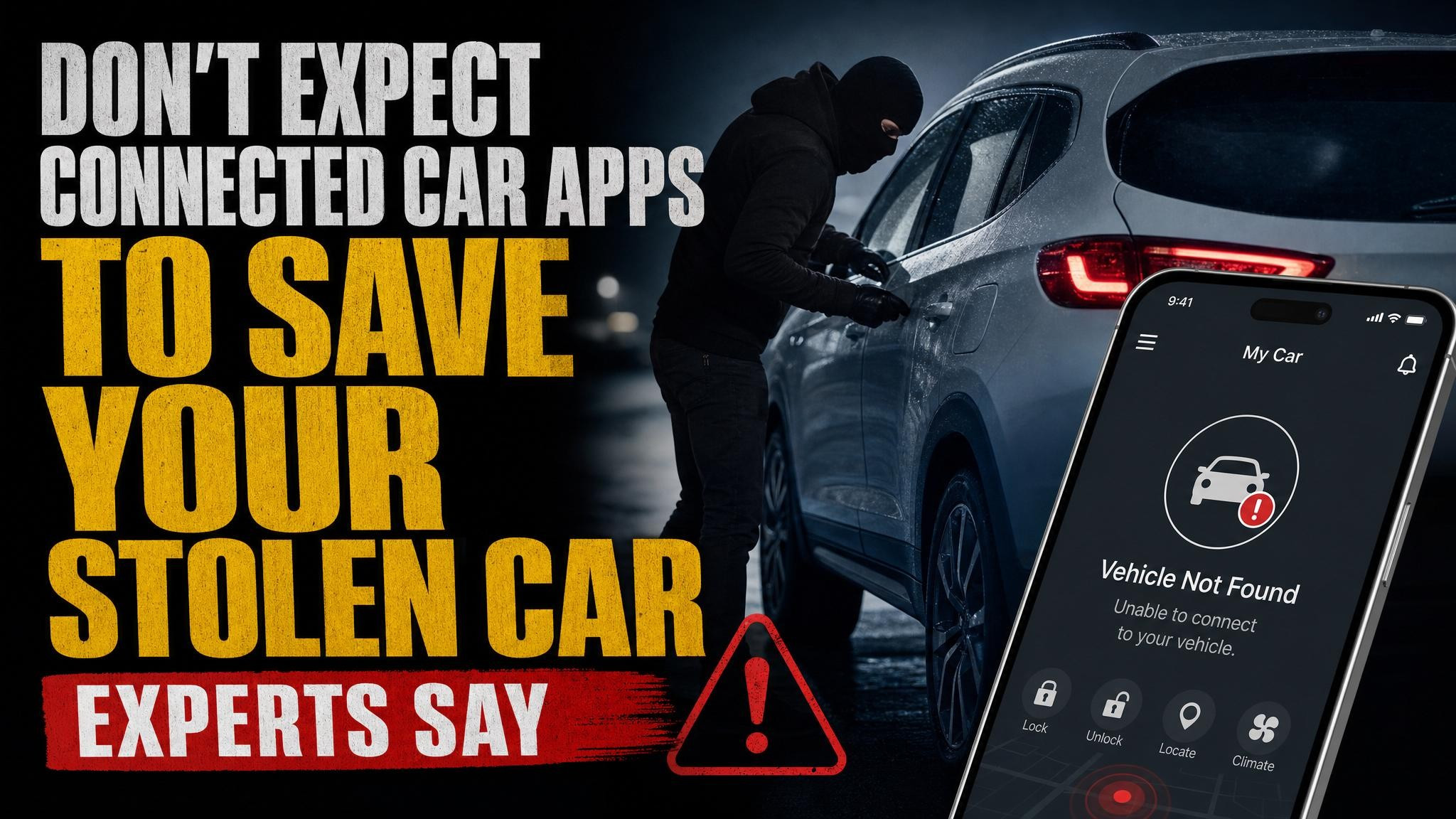
In an era where smartphones unlock doors, start engines, and even pre-condition cabin temperatures, the expectation for connected car applications to serve as an infallible guardian against theft is widespread. Yet, as vehicle thefts continue to surge across the United States, a sobering reality is emerging: the advanced GPS tracking and remote access features embedded in modern automobiles are frequently proving inadequate in the swift recovery of stolen vehicles, leaving many owners disillusioned and law enforcement facing an uphill battle.
The allure of the 'smart car' is undeniable. Manufacturers like Tesla, Ford, General Motors, Kia, Hyundai, and others equip their vehicles with sophisticated telematics systems, offering services ranging from remote diagnostics and crash assistance to the coveted ability to locate a vehicle via a smartphone app. For many consumers, these features are implicitly understood to be a robust layer of security, a digital safety net that ensures their valuable asset can be traced and retrieved should it fall into the wrong hands. However, the operational truth is far more complex, constrained by a labyrinth of legal statutes, privacy concerns, resource limitations, and the ever-evolving tactics of organized crime.
Legal Labyrinths and the Right to Privacy
One of the primary roadblocks to real-time, app-driven vehicle recovery in the U.S. stems from deeply ingrained legal principles surrounding privacy. While a vehicle owner can track their own car, the moment law enforcement becomes involved, the rules change dramatically. "The Fourth Amendment protects individuals from unreasonable searches and seizures, and that often extends to digital data, including real-time location information," explains Dr. Alan Finch, Professor of Cyber Law at Georgetown University. "For police to access live tracking data from a private company, they typically need a warrant, which requires probable cause. This isn't an instant process and introduces critical delays."
Automakers, keen to avoid legal liabilities and uphold customer privacy, are generally reluctant to share real-time location data directly with law enforcement without a proper judicial order. This stance, while legally sound, often conflicts with the immediate urgency of a theft scenario. "We regularly receive calls from frantic vehicle owners who are looking at their app, seeing their car's location updating, and expecting us to dispatch officers immediately to that exact spot," says Detective Marcus Thorne, head of the Auto Theft Task Force for a major metropolitan police department. "What they don't realize is that we can't just act on information from a private citizen's app. We need to follow due process, verify the theft, open an investigation, and then secure a warrant if a third party holds the data. That sequence can take hours, even days, giving thieves ample time to disable tracking or move the vehicle."
Law Enforcement's Uphill Battle and Resource Constraints
The challenges for police don't end with warrants. Even with valid legal authorization, law enforcement agencies face significant resource limitations. "Live tracking a moving vehicle requires dedicated personnel, potentially multiple units, and coordination – all while balancing other emergency calls," Detective Thorne elaborates. "We simply don't have the luxury of assigning a dedicated tail to every stolen vehicle reported, especially when the app data might be intermittent or inaccurate."
Fictional statistics paint a stark picture: internal police data suggests that while 85% of car owners believe their connected car app provides robust theft recovery, only about 40% of stolen vehicles with active tracking subscriptions are successfully recovered directly through app-initiated tracking leading to police intervention within the first 24 hours. The average recovery rate for all stolen vehicles (with or without advanced tracking) hovers around 60%, but this often involves vehicles found days or weeks later, often damaged or stripped.
Furthermore, the data itself presents issues. GPS signals can be blocked or distorted in urban environments, underground garages, or when sophisticated thieves employ jamming technology. "We've seen instances where the 'last known location' is an empty parking lot, or the signal disappears entirely, only to reappear hundreds of miles away in a different state, indicating professional theft rings," adds Thorne.
The Rising Sophistication of Auto Thieves
While vehicle technology has advanced, so too have the methods of criminals. "Modern car thieves are not just joyriders; many are part of organized crime syndicates with access to sophisticated tools," states Dr. Evelyn Reed, Automotive Security Analyst at the American Institute of Vehicle Safety. "They utilize devices that can mimic key fob signals, relay attacks to unlock and start keyless entry vehicles, or exploit vulnerabilities in onboard diagnostics (OBD) ports to program new keys."
Dr. Reed's research indicates that the most common connected car features, like remote locking and GPS, can sometimes be quickly bypassed or disabled. "In 2023, approximately 15% of all stolen vehicles were equipped with factory-installed telematics systems, yet their recovery rates didn't significantly outperform cars without such systems when considering the speed of recovery crucial for pristine condition retrieval," she notes. "Criminals are actively researching and developing methods to defeat these technologies, including 'Faraday bags' to block key fob signals and sophisticated GPS jammers that can be purchased online for relatively low cost."
Consumer Disillusionment and Financial Impact
The disconnect between advertised capabilities and real-world recovery challenges often leads to profound consumer disappointment. Sarah Chen, Consumer Advocate and Legal Counsel at the National Consumer Rights Bureau, has observed a rising trend of complaints. "Consumers feel misled. They invest in vehicles, sometimes paying extra for connectivity packages, under the impression they're getting an unparalleled layer of security," Chen explains. "When their car is stolen, and the app doesn't lead directly to its immediate recovery, the emotional toll is immense, compounded by the financial burden. The average cost of a stolen vehicle in the U.S. is estimated at over $25,000, excluding sentimental value or the inconvenience of being without transportation."
Many vehicle owners are unaware of the specific terms and conditions governing their connected car services, particularly the clauses outlining data sharing with law enforcement. "There needs to be greater transparency from manufacturers about the actual limitations of these tracking features in a theft scenario, not just their convenience aspects," Chen urges.
Beyond the App: What Actually Works?
Given these limitations, experts recommend a multi-layered approach to vehicle security. "While connected car apps offer valuable conveniences and can sometimes aid in recovery, they should not be seen as a foolproof theft deterrent or recovery mechanism," advises Detective Thorne. He stresses the importance of:
- Traditional Security: Steering wheel locks, kill switches, and audible alarms still deter opportunistic thieves.
- Parking Wisely: Utilizing well-lit, secure parking areas.
- Never Leaving Keys or Fobs: Always take your key fob, even if just for a moment, and consider placing keyless entry fobs in a Faraday pouch at home to prevent relay attacks.
- Immediate Reporting: Reporting a vehicle theft to police immediately improves the chances of recovery, even if GPS tracking isn't instantaneous.
- Vehicle Identification: Ensuring your VIN is prominently displayed and considering marking catalytic converters with unique IDs.
The dream of a perfectly secure, always-locatable vehicle remains elusive. While connected car apps offer a plethora of conveniences, their role in thwarting determined thieves and ensuring swift recovery is often overshadowed by legal constraints, resource limitations, and criminal ingenuity. As car technology continues its rapid evolution, so too must consumer understanding and the strategies deployed by law enforcement to combat vehicle theft effectively.