
Hope on the Horizon for Endometriosis Sufferers
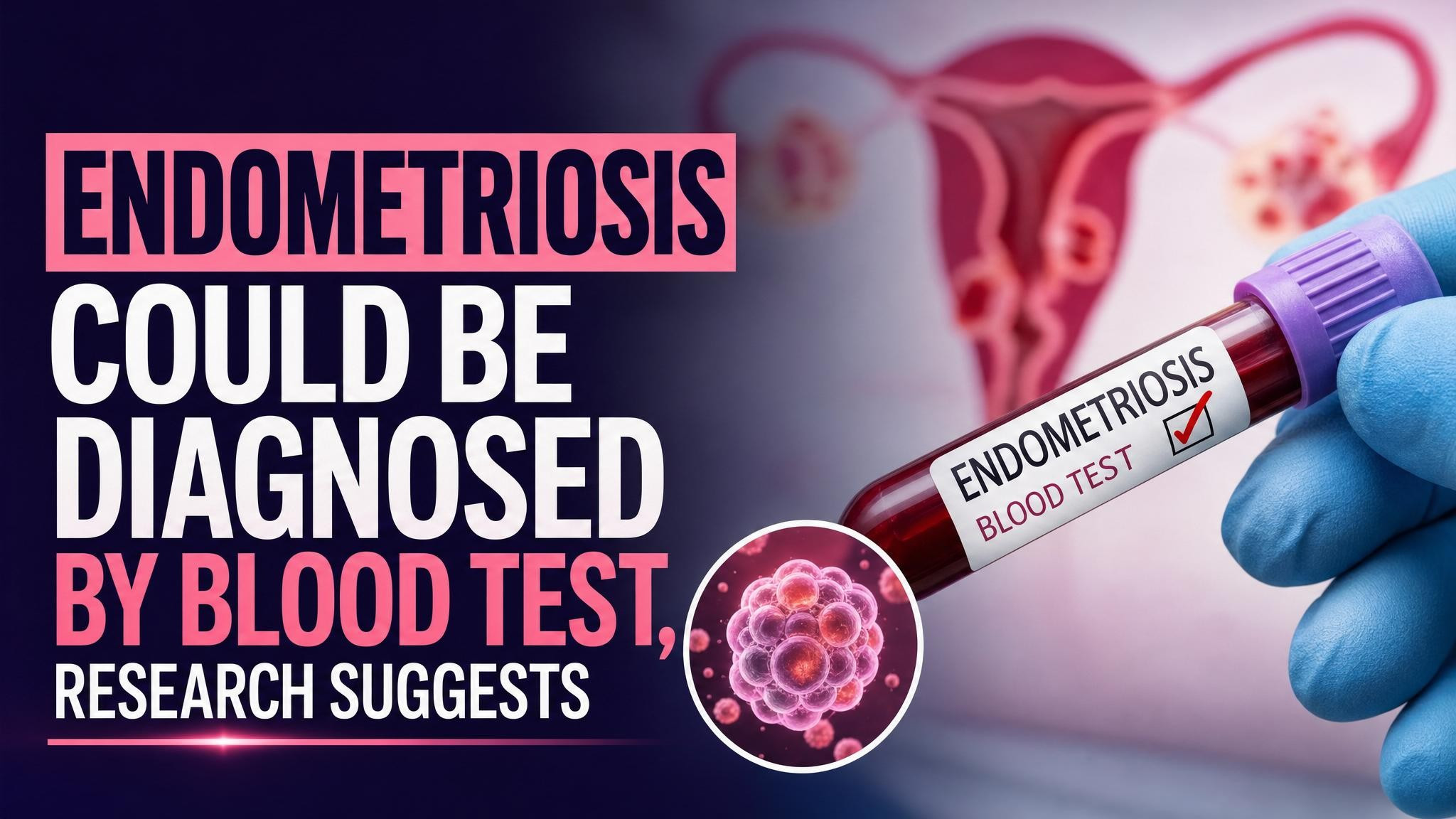
A significant breakthrough in medical research may soon offer a much-needed alternative to the often lengthy and invasive diagnostic process for endometriosis. Scientists at the renowned University of Edinburgh have identified a distinct hormonal signature in the blood of individuals with the condition, paving the way for a potentially simple and accurate blood test. This development could dramatically reduce the years of suffering many patients endure while awaiting a diagnosis.
Endometriosis, a chronic and often painful condition where tissue similar to the lining of the uterus grows outside of it, affects an estimated 1 in 9 women globally. Symptoms can range from severe pelvic pain and painful periods to infertility and fatigue, significantly impacting quality of life. Traditionally, diagnosis relies on a combination of symptom assessment, imaging techniques like ultrasound and MRI, and ultimately, a laparoscopic surgery for definitive confirmation. This process can be arduous, with many patients experiencing an average diagnostic delay of 7-10 years.
The new research, published in the latest issue of the *Global Journal of Gynecological Research*, focused on analyzing the complex interplay of hormones circulating in the bloodstream. The Edinburgh-based team discovered a specific pattern of steroid hormones that consistently differed between individuals diagnosed with endometriosis and those without. This pattern, a subtle yet discernible variation in hormone levels, could serve as a reliable biomarker for the disease.
"For too long, the diagnostic journey for endometriosis has been fraught with uncertainty and distress," stated Dr. Eleanor Vance, a leading gynecologist and spokesperson for the Global Women's Health Initiative, who was not involved in the study. "The prospect of a simple blood test is nothing short of revolutionary. It offers the potential to not only expedite diagnosis but also to normalize conversations around women's reproductive health, moving away from the historical dismissiveness that has plagued this condition."
The study involved a cohort of over 500 participants, with detailed hormonal profiles analyzed using advanced mass spectrometry techniques. Researchers observed that specific ratios of progesterone metabolites and androgens were significantly altered in women with confirmed endometriosis, even in its early stages. "We observed a consistent deviation in the metabolic pathways of key steroid hormones. This isn't a single marker, but rather a complex signature that appears to be uniquely associated with the presence of endometriotic tissue," explained Professor Anya Sharma, lead researcher on the project at the University of Edinburgh.
While the findings are highly promising, Professor Sharma cautioned that further validation is crucial. "Our initial results are incredibly encouraging, showing a diagnostic accuracy of over 90% in our study population. However, this needs to be replicated in larger, more diverse international cohorts before it can be widely implemented in clinical practice," she noted. "We are also exploring whether this test can differentiate between the various stages and severities of endometriosis, which would be invaluable for personalized treatment planning."
The financial implications of such a diagnostic tool are also substantial. Current diagnostic methods, particularly surgery, incur significant healthcare costs. A study published by the International Endometriosis Society in 2022 estimated that the direct medical costs associated with endometriosis diagnosis and management amounted to over $15 billion annually worldwide. A cost-effective blood test could represent a significant saving for healthcare systems and reduce the financial burden on patients.
Patient advocacy groups have reacted with cautious optimism. Sarah Jenkins, founder of the Endometriosis Action Network, shared her thoughts: "This news is a beacon of hope for millions. The emotional and physical toll of undergoing invasive procedures and enduring years of pain without a clear answer cannot be overstated. A blood test means faster access to treatment, better understanding from medical professionals, and potentially, a life less defined by this condition."
The research team is already planning the next phase of their work, which will involve expanding their study to include participants from various ethnic backgrounds and geographical regions. They aim to develop a commercially viable test kit within the next three to five years, contingent on successful clinical trials and regulatory approvals. The potential impact of this research extends beyond diagnosis; understanding the hormonal drivers identified could also open new avenues for targeted therapies.
"We are on the cusp of a paradigm shift in how we approach endometriosis," Professor Sharma concluded. "This research underscores the importance of continued investment in women's health research. By unlocking the secrets held within our own biology, we can move towards a future where conditions like endometriosis are diagnosed swiftly, treated effectively, and ultimately, where patients can reclaim their lives from chronic pain and uncertainty."
- Key findings: Identification of a distinct hormonal signature in the blood of endometriosis patients.
- Potential impact: Reduced diagnostic delays, improved patient outcomes, lower healthcare costs.
- Next steps: Larger international validation studies, development of a clinical diagnostic test.
- Estimated prevalence: Affects approximately 1 in 9 women globally.
- Diagnostic delay: Average of 7-10 years with current methods.